
 By Lara Khneisser, founder of AïeLEAD · Confidence and emotional intelligence · 5-minute read
“I didn’t speak up in that meeting. I guess I just lack confidence.” “I couldn’t follow through. Must be a confidence issue.” Lack of self-confidence has become a go-to label for moments when we feel stuck, invisible or overwhelmed. But when we look deeper, something more complex is often going on.
In short: lack of self-confidence is rarely the real problem. It is usually a surface sign of something deeper: a belief that “I’m not good enough”, a fear of responsibility or failure, or a feeling of being unloved or unseen. Instead of trying to “boost” confidence, it helps to ask what the hesitation is protecting us from.
The problem with the “lack of confidence” label
“Lack of confidence” is a tidy explanation that can feel true on the surface. But it can also shut down curiosity, stopping us from exploring what is really happening beneath the hesitation.
Confidence is not a fixed trait. It is a surface indicator of something deeper: our sense of worth, safety, belonging or competence in a particular moment.
So what might “lack of confidence” really be trying to tell us?
3 hidden causes of low self-confidence
1. “I’m not good enough”: the silent inner voice
At the heart of many struggles lies a quiet but powerful belief: “I’m not enough.” It may show up subtly, as procrastination or over-preparing, or more loudly, as avoiding opportunities or self-sabotage.
This belief often stems from earlier experiences of feeling judged, dismissed or compared. Over time, we absorb the idea that we need to do more, or be better, to be accepted. What looks like low confidence is often this fear wearing a different name.
2. Fear of responsibility: a hidden form of protection
Sometimes, what we call lack of confidence is actually a fear of responsibility: fear of not handling the pressure, making the wrong call or failing to meet expectations.
It is not that we do not want to lead or grow. Part of us is afraid of what might happen if we fail, and of how others, or we ourselves, might judge us. So we hold back. We say no. We play small.
This isn’t a flaw. It’s a protective strategy.
3. Feeling unloved or unseen: the invisible root
For some, the struggle goes deeper. It is not about a lack of skill, or even fear of failure. It is about feeling unloved, unsupported or invisible.
When we carry that wound, our sense of self-worth can become conditional. We chase approval and fear rejection, especially when the stakes are high. Confidence falters not because we lack ability, but because we doubt whether we deserve to be seen or celebrated.
Maya’s story: when confidence isn’t the real issue
An illustrative example.
Maya is a highly competent project manager in a fast-paced tech company. Her team sees her as reliable and insightful. But when a senior leadership role opened up, she hesitated. She told her coach: “I just don’t think I have the confidence to lead at that level.”
Digging deeper, it became clear that Maya wasn’t doubting her skills. She was afraid of failing publicly, of not meeting expectations and disappointing people. Underneath was a fear she had carried since childhood: that she had to earn love and approval by being perfect.
Once Maya saw this, her story shifted. She worked on feeling safe with imperfection, redefined what leadership meant to her, and eventually applied for the role. Not because her “confidence increased”, but because her self-awareness deepened.
What this means for children and teenagers
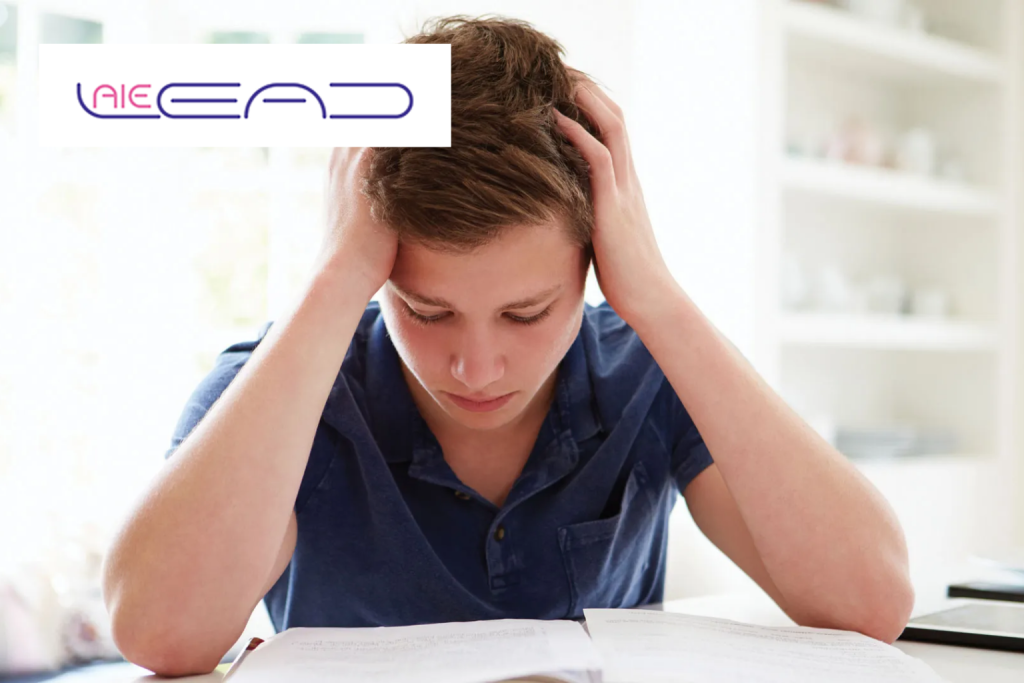
The same patterns often begin early. A child who “won’t put their hand up” or a teenager who avoids trying something new may not simply lack confidence. They may be afraid of getting it wrong, worried about being compared, or unsure whether they are accepted as they are.
When adults respond with curiosity rather than a label, young people learn that their worth does not depend on being perfect. You can read more in Unconditional Love: Helping Children Know They Matter Beyond Their Achievements.
How to build real self-confidence: ask better questions
Rather than trying to boost confidence like a muscle, we can ask more meaningful questions:
What story am I telling myself right now?
Notice the words in your head, such as “I’ll get it wrong” or “They’ll think I’m not good enough”, and ask whether they are really true.
What am I afraid might happen?
Name the fear: failing, being judged, disappointing someone. Fears usually lose some of their power once we put them into words.
What need is going unmet?
Is it safety, belonging, recognition or rest? Meeting that need is often what allows us to move forward.
When we stop trying to fix “confidence” and start listening to what it is masking, we find clarity. And from that clarity comes a more grounded, authentic way of showing up: one rooted not in bravado, but in truth.
You may also enjoy: Why Me? Why Not Me! Turning Hardship into Purpose.
Support to understand what’s really holding you back
Lara’s Emotional & Mental Wellbeing (EMW) coaching helps teenagers, young adults and adults explore the beliefs behind their hesitation, recognise their strengths and move forward with purpose.
Frequently asked questions
What causes a lack of self-confidence?
Low confidence is often a sign of something deeper, such as a belief that you are not good enough, a fear of responsibility or failure, or feeling unloved or unseen. These patterns often start with earlier experiences of being judged, compared or dismissed.
Is lack of confidence the same as low self-esteem?
They are related but not identical. Confidence is how sure we feel about handling a particular situation; self-esteem is our overall sense of worth. Low self-esteem can make confidence fragile in many situations.
How can I help my child with low confidence?
Be curious rather than labelling them. Ask what they are worried might happen, praise effort and character as well as results, and make it clear that your love does not depend on them getting everything right.
Can coaching help with confidence?
Yes. Coaching can help you understand the beliefs and fears behind your hesitation and practise new ways of responding. It does not replace therapy or medical care where specialist support is needed.
Lara Khneisser is the founder of AïeLEAD. She has more than 20 years in education as a teacher, coordinator and school principal, is a New Generation NLP practitioner, and supports young people’s learning, confidence and personal growth. Explore EMW coaching.